Integrating Vedic wisdom & yogic intelligence for Holistic wellness
In Tune with Nature: Life Lessons from the Vedic Wellness Perspective
Being in tune with nature involves recognizing and honoring this interconnectedness. It prompts individuals to consider how their actions impact the environment and other life forms.
ROLE OF NATURE IN WELLNESS
Dr Sanjay Sharma, Professor of Surgery & Urologist, Vedic Astrolger, Yoga & Ayurveda Wellness Consutant, Independent IKS & Nature Researcher
4/19/20268 min read
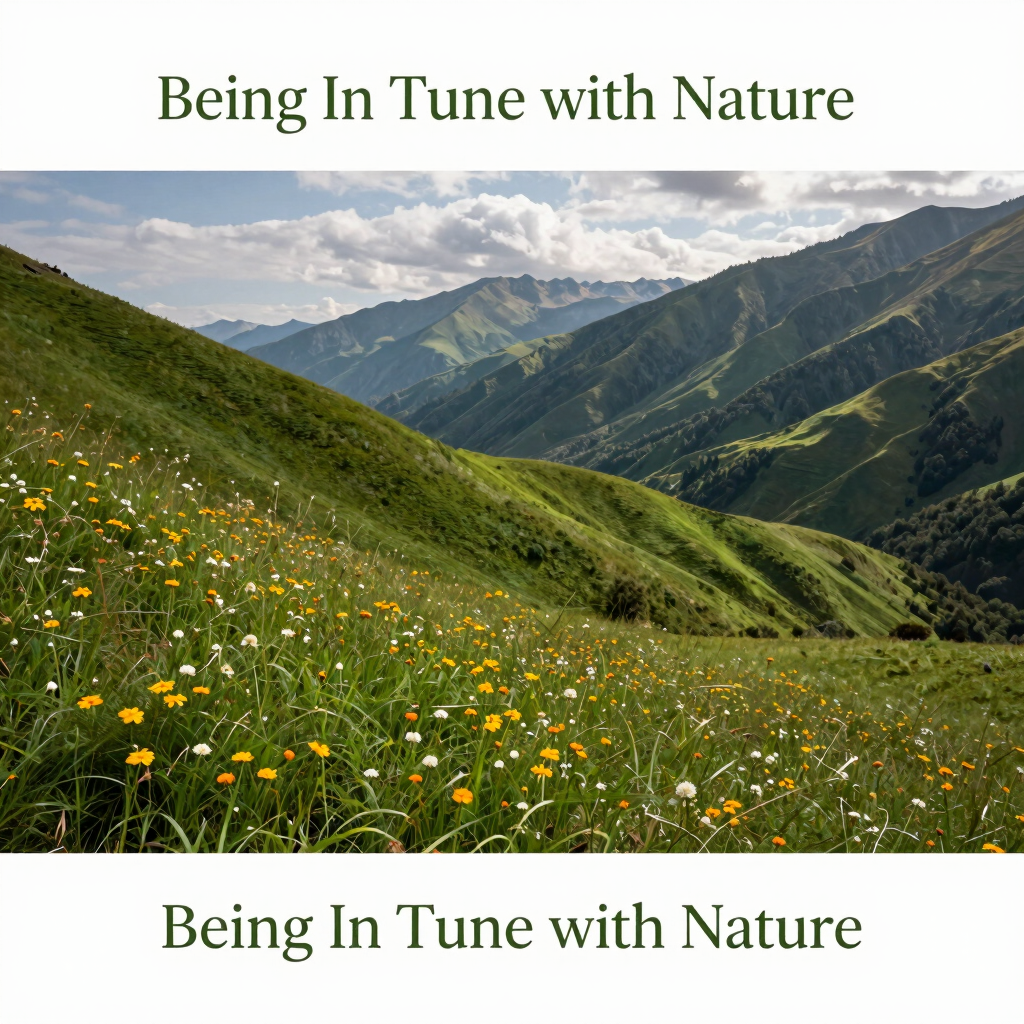
Understanding the Connection between Humans and Nature
The relationship between humans and nature is profound and multifaceted, deeply embedded in the fabric of our existence. From a Vedic perspective, this connection is viewed as a sacred bond that demands respect and understanding. Every living being, from the smallest microorganism to the vastest tree, plays a vital role in the delicate balance of ecosystems. This intricate web of life emphasizes that humans are not separate entities but are an integral part of the broader natural world.
Being in tune with nature involves recognizing and honoring this interconnectedness. It prompts individuals to consider how their actions impact the environment and other life forms. The Vedic philosophy teaches that nature is not merely a backdrop for human life but a vital element from which we draw sustenance, inspiration, and wisdom. Engaging with nature can lead to profound personal growth, as it encourages mindfulness and awareness of one's surroundings.
Immersing ourselves in nature has been shown to enhance mental clarity and emotional wellness. The tranquility found in natural settings can soothe the mind and alleviate stress, allowing for greater focus and creativity. Studies have demonstrated that spending time outdoors can boost cognitive function and improve overall well-being. Additionally, nature provides a unique space for reflection and self-discovery, offering insights into one’s place in the universe.
Through practices such as meditation and yoga, which are rooted in Vedic traditions, individuals can deepen their connection to nature. These activities promote harmony not just within oneself but also with the environment, reinforcing the notion that true fulfillment arises from living in sync with the natural rhythms of life. By cultivating this relationship, individuals can cultivate a sense of peace and purpose that transcends the material aspects of existence, ultimately leading to a more balanced and enriching life.
Nature as a Teacher: Life Lessons from Flora and Fauna
Throughout history, nature has served as an exceptional teacher, imparting valuable lessons that can guide humanity towards sustainable living. The intricacies of plant and animal life illustrate essential qualities such as adaptability, resilience, and the importance of community, which can be mirrored in our daily lives.
Observing animals reveals profound insights into adaptation. For instance, species such as the chameleon and octopus demonstrate remarkable abilities to adjust their colors and patterns for survival. This adaptability is crucial in a changing environment; similarly, humans, too, must embrace flexibility to thrive in the face of challenges. Moreover, animals like migratory birds exemplify resilience, traversing vast distances despite severe weather and obstacles. Such determination suggests that humans can benefit from cultivating a mindset that embraces setbacks as opportunities for growth.
In terms of community, many species, including ants and bees, operate within structured societies that capitalize on cooperation and mutual support. These insects illustrate the concept of working together towards a common goal, which parallels the importance of building strong communities among individuals. Strengthening bonds through collaboration and sharing resources enhances resilience, especially when faced with adversities.
In addition to these themes, the natural world encourages keen observation of ecosystems and their intricate patterns. Understanding these patterns—like seasonal cycles, predator-prey dynamics, and symbiotic relationships—can inform our approach to environmental stewardship and conservation. By learning from the rhythms of nature, we can enact measures that promote sustainable practices, ensuring that we live harmoniously with our environment.
Thus, nature emerges as a profound educator, illustrating that the principles governing flora and fauna offer insightful guidance for effective living. By integrating these lessons into our lives, we can strive towards a more self-sustainable existence, while fostering respect and appreciation for the natural world that supports us.
The Rig Veda: Wisdom of Nature
The Rig Veda, one of the oldest known texts, serves as a cornerstone of Vedic literature and reflects the profound respect for nature held by ancient Indian civilization. Broadly, it encapsulates humanity's relationship with the natural world, presenting it not merely as a backdrop for human endeavors but as an integral participant in the spiritual journey. The verses of the Rig Veda resonate with themes that articulate an awareness of the interconnectedness of all beings within the natural environment.
Throughout the text, nature is portrayed as a nurturing force that offers sustenance and wisdom. For instance, the Vedic hymns emphasize the importance of fire as a purifying element and a divine presence. The Rig Veda suggests that elements such as water, earth, and air are not simply physical entities; rather, they embody sacred principles that harness life’s energy. This holistic understanding reinforces the belief that to thrive, humans must honor the ecological balance and the gifts that nature provides.
Key verses emerge highlighting the benevolence of nature, urging individuals to coexist peacefully with their surroundings. The Vedic perspective promotes an ethos where natural elements are revered, initiating a dialogue about the need for sustainable living practices. Such practices are seen as a pathway to spiritual well-being, aligning with the Vedic understanding that harmony with nature ultimately leads to a harmonious existence.
In essence, the Rig Veda is a rich tapestry of ideas that encourages reverence for the natural world and offers valuable insights into living in alignment with its rhythms. Through its verses, it implores us to recognize our dependency on nature and the spiritual dimensions intrinsic to the environment, laying the groundwork for a lifestyle reflective of balance and respect for the earth's resources.
Integrating Nature into Everyday Life through Vedic Practices
The Vedic perspective promotes a holistic approach to life, interconnecting human existence with the rhythms of nature. This connection can be experienced through various Vedic practices, including yoga, Ayurveda, and meditation. Each of these disciplines not only emphasizes the significance of nature but also encourages practitioners to align themselves with its intrinsic cycles for enhanced physical, mental, and spiritual well-being.
Yoga, one of the most well-known Vedic practices, serves as a profound method for connecting with the natural world. The practice involves physical postures, breath control, and meditation, all of which are designed to unify the mind, body, and spirit. By practicing yoga outdoors or simply taking moments to appreciate nature's beauty, individuals can foster a sense of oneness with their environment. This awareness helps to ground individuals, enhancing their overall health and vitality.
Ayurveda, the ancient system of medicine originating from Vedic teachings, harmonizes individuals with the elements of nature. By acknowledging the five elements—earth, water, fire, air, and space—Ayurvedic principles guide people in daily lifestyle choices. These choices include seasonal eating, herbal remedies, and mind-body therapies, which are tailored to the unique constitution of each individual. This personalized approach not only nurtures physical health but also promotes mental clarity and emotional balance, allowing individuals to thrive in accordance with nature's cycles.
Lastly, meditation, a cornerstone of Vedic philosophy, provides a pathway for individuals to cultivate inner peace and resilience. Through meditation, practitioners can develop a deeper understanding of their connection to nature. Meditating in a natural setting enhances this experience, allowing the calming aspects of the environment to enrich the practice. Overall, these Vedic practices collectively enable individuals to live in harmony with nature, manifesting a lifestyle that is vibrant and deeply rooted in the wisdom of the natural world.
Yoga: The Union of Self with Nature
Yoga, an ancient practice rooted in the Vedic tradition, serves as a profound conduit for individuals seeking to deepen their connection with nature. By engaging in a variety of asanas, breath control, and meditative practices, one can foster a greater awareness of the natural world and the elements that comprise it. This holistic approach encourages individuals to cultivate mindfulness, which is essential in recognizing the intricate relationship between oneself and the environment.
One of the fundamental principles of yoga is the concept of union, or 'yuj,' which translates to a connection of the self with the universal energy that permeates all of nature. Various yoga practices, including Hatha, Vinyasa, and Kundalini, emphasize nurturing this bond through conscious movement and stillness. These practices draw attention to the rhythms of nature, such as the changing seasons, the rising and setting sun, and the cycles of the moon. Each yoga session can serve as a reminder of the interconnectedness of all living beings, fostering a sense of peace and unity.
The emphasis on breathwork, or 'pranayama,' in yoga is particularly relevant in this context. Controlled breathing not only calms the mind but also heightens awareness of our surroundings. As practitioners harmonize their breath with the pace of nature, they experience a profound sense of tranquility and presence. This alignment with the natural world enhances not only individual well-being but also nurtures a collective responsibility towards the environment.
Incorporating outdoor yoga practices is a tangible way to deepen this connection. Practicing yoga in natural settings—such as parks, forests, or beaches—can amplify the experience and immerse individuals in the sights, sounds, and scents of nature. Ultimately, yoga offers a pathway to reconnect with the earth, fostering a sense of gratitude and awareness that enriches the journey toward inner peace and holistic well-being.
Ayurveda and Nature: The Science of Life
Ayurveda, often termed as the "Science of Life," offers an intricate understanding of the human body in relation to nature. Rooted in ancient Indian philosophy, Ayurveda emphasizes the importance of harmony between individuals and their environment. This holistic system posits that health is not merely a state of the body but a complex interplay of mental, physical, and environmental factors. Central to this philosophy is the concept of the five elements: earth, water, fire, air, and space, which constitute not only our surroundings but also our very being.
According to Ayurvedic principles, each individual possesses a unique combination of the three doshas: Vata, Pitta, and Kapha, which influence one’s constitution and health. Understanding these doshas allows individuals to align their lifestyle choices with the natural world. For instance, seasonal changes impact the dosha balance, suggesting that one's diet and activities should be adjusted to maintain equilibrium. In this way, personal health is intertwined with the cycles of nature, encouraging individuals to become attuned to their surroundings.
The practice of Ayurveda advocates for a lifestyle that respects the rhythms of nature, including seasonal eating and outdoor activity, fostering a deep reverence for the environment. It acknowledges that the health of the individual is reciprocally linked to the health of the ecosystem. By recognizing the natural substances that nourish and heal, Ayurveda promotes sustainable living practices. This approach mirrors a growing understanding across various disciplines about the importance of environmental conservation and its direct impact on human health.
In adopting Ayurvedic principles, individuals can cultivate a profound respect for the interdependency of life, ultimately leading to a more enlightened and healthy existence in harmony with nature.
Meditation and Vedic Jyotish: Cosmic Alignment with Nature
Meditation is an integral practice in the Vedic tradition, acting as a bridge that connects the individual to the cosmos. Within the framework of Vedic Jyotish, an ancient form of astrology, these practices emphasize the alignment of one's life with natural rhythms and cosmic cycles. The insights garnered from Vedic astrology provide profound guidance for understanding the planetary influences on personal development and wellness. By engaging in meditation, individuals can cultivate awareness of these cosmic forces and learn to navigate their lives in harmony with nature.
The essence of Vedic Jyotish lies in its comprehensive analysis of celestial bodies and their movements, which are believed to impact human experiences and characteristics. This perspective posits that each individual is influenced by the arrangement of planets at the time of their birth, echoing the fundamental principle that everything in the universe is interconnected. To enhance this connection, meditation serves as a powerful tool. Regular meditation practices not only promote mental clarity and emotional balance, but they can also enable individuals to attune themselves to the ongoing cosmic dance of energies.
This alignment with nature can lead to an enhancement of personal virtues and well-being. The cyclical nature of time, as illustrated by the lunar phases and other astrological events, encourages individuals to reflect on their own rhythms and cycles. By understanding and embracing their astrological profiles through Vedic Jyotish, individuals can make informed choices that align with their inner nature and the external cosmic influences. In this way, the practice of meditation, paired with the insights of Vedic astrology, can create a holistic framework for achieving human excellence and deeper connection with the natural world.



Connect
Reach out for personalized guidance and support
Call
+91-6300318463
© 2025. All rights reserved.


NiYAMA Vedic Wellness
info@niyamavedicwellness.com
Siddhanti Road, Shamshabad, Hyderabad - 501218